Syracuse is a city that often surprises and even confuses first-time visitors. Many of the travelers I guide ask me which is the “real” Syracuse, as if they had to choose just one face of the city. In reality, Syracuse exists precisely because of its two souls: Neapolis and Ortigia do not compete with each other—they complement one another.
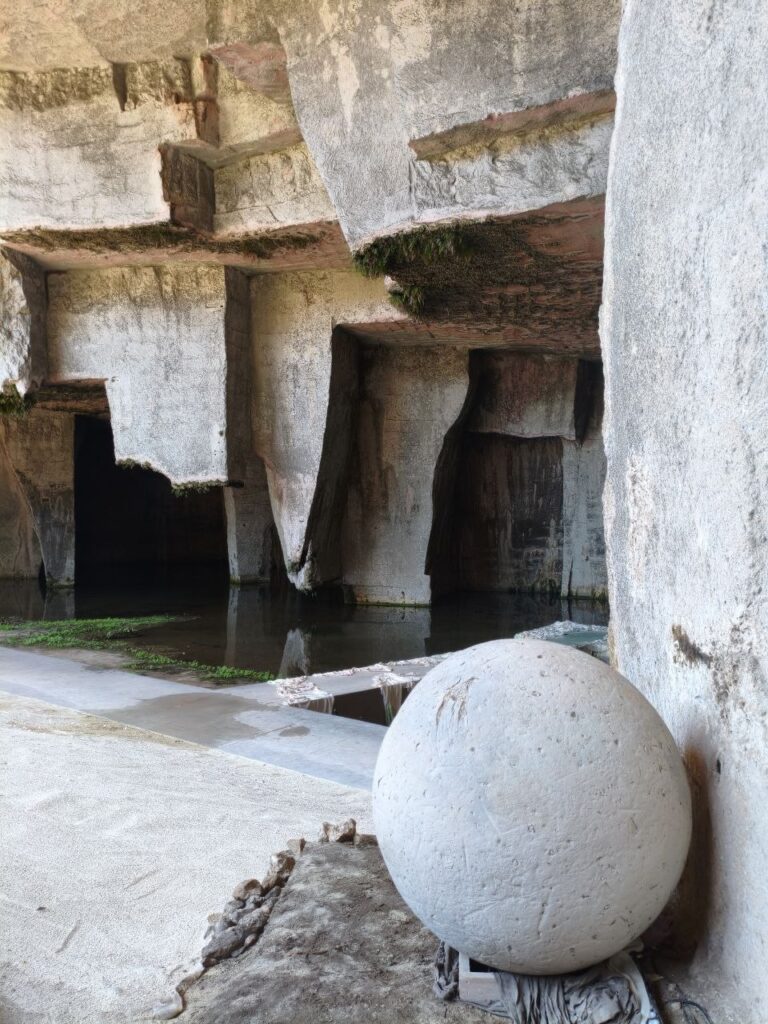
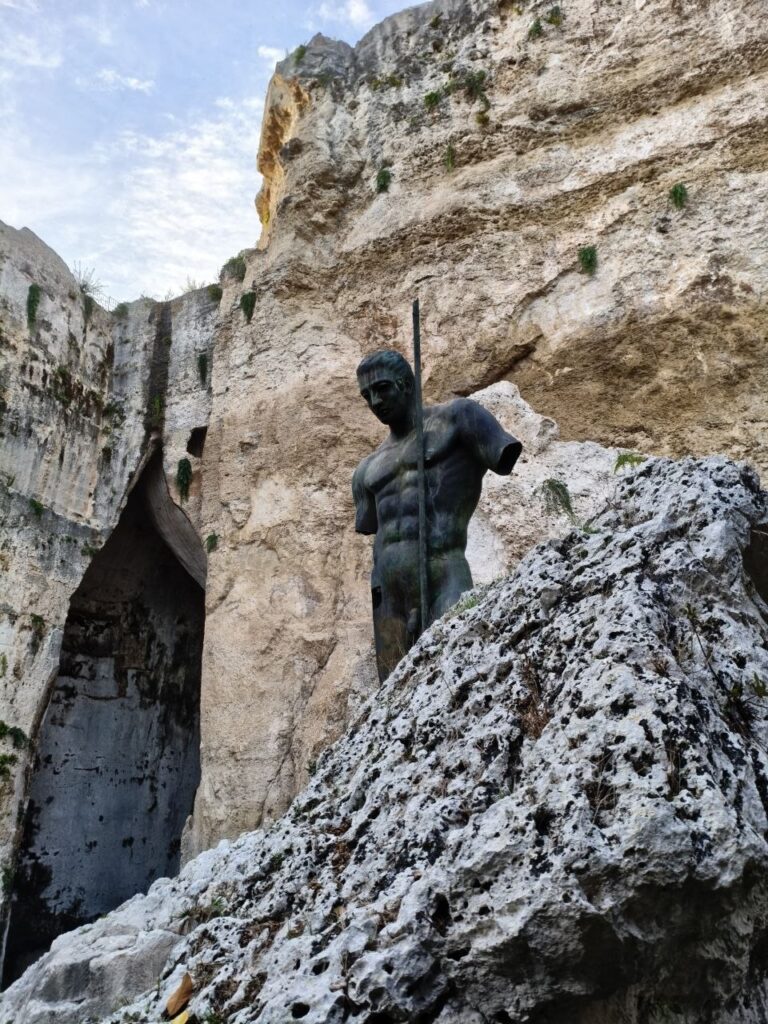
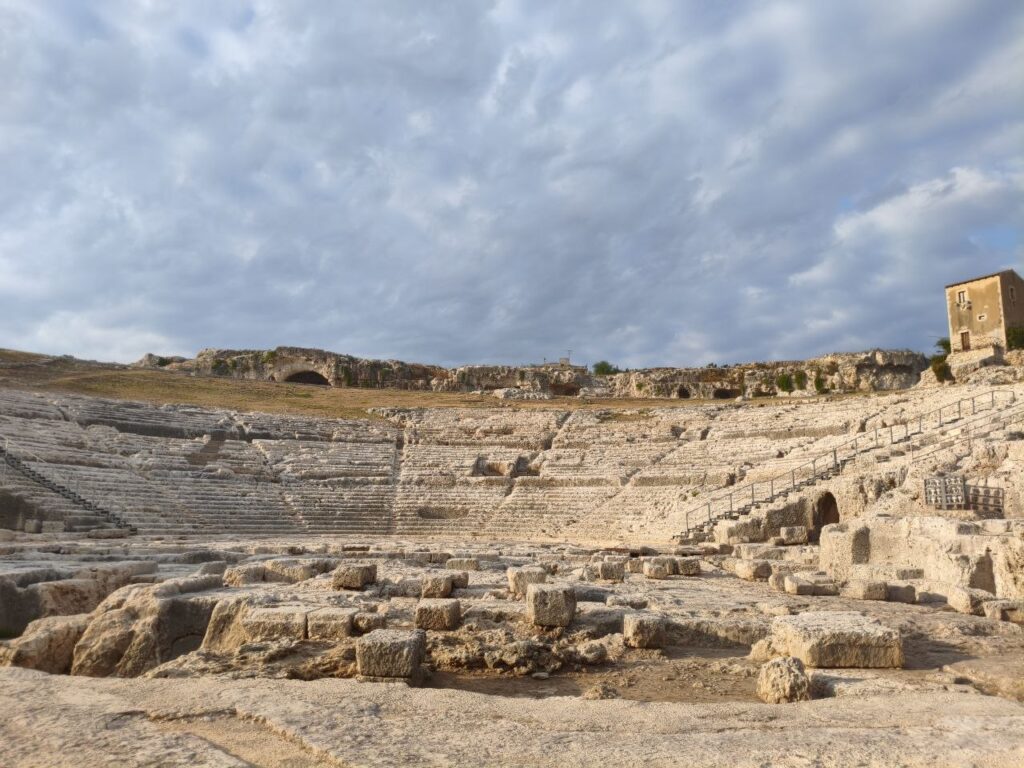
The Archaeological Park of Neapolis is the city’s ancient voice, echoing through centuries. Among stone and silence, you’ll find the Greek Theatre, the Latomies, the Altar of Hieron II, the Roman Amphitheatre, and monumental structures that still seem to await the return of actors to their stage. This is a majestic Syracuse, open to the sky and carved into the Mediterranean light.
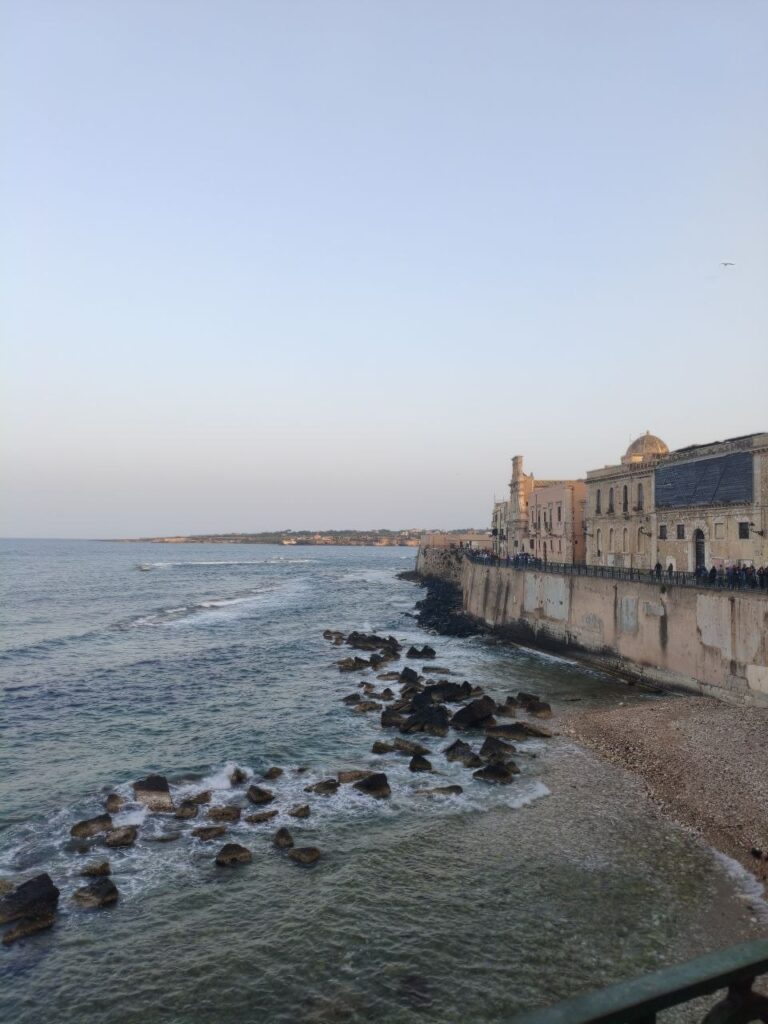
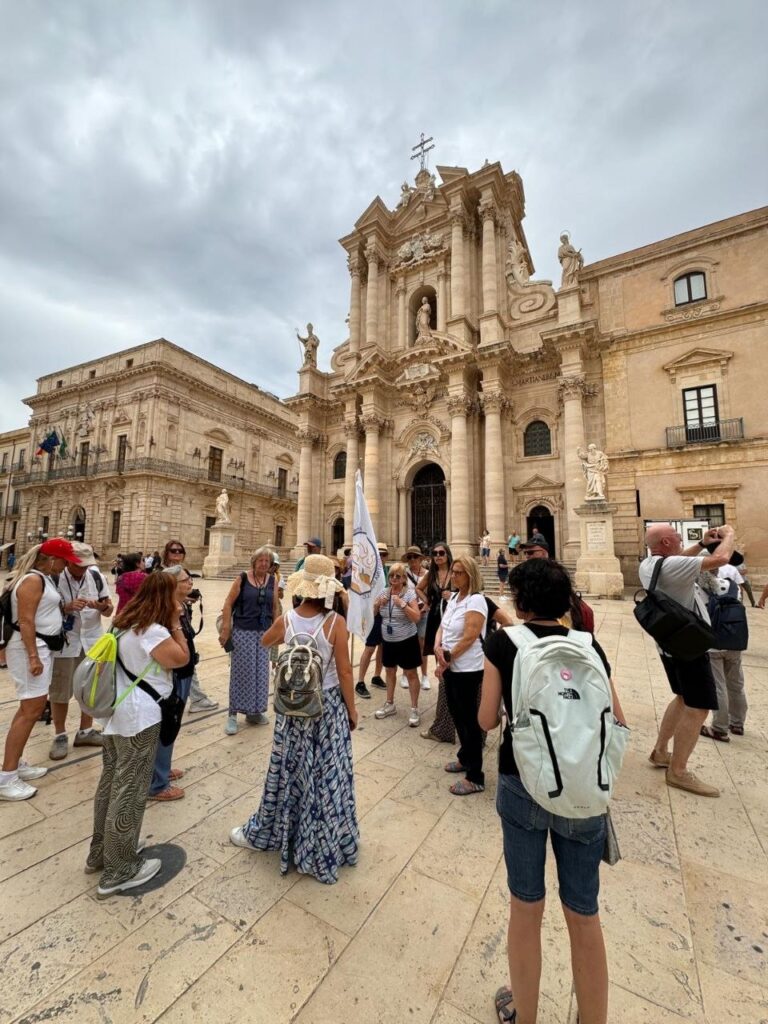
Then there is Ortigia, where time takes on a different rhythm. Here, history is not simply something you look at—it lives within the streets themselves. It hides inside noble palaces, reflects on the sea, and blends naturally into everyday life. This small island is a place of quiet beauty, where narrow alleys reveal unexpected corners and unforgettable views.
There is no need to choose between the two. One tells the story of greatness; the other reveals intimacy. Together they show the true essence of Syracuse: a city that is not simply visited, but experienced like a story that is still being written.